omnisearch_title
Why Your Body Goes Into Overload: Understanding Your Nervous System and Breaking Stress Cycles

A practical guide to recognizing, managing, and releasing chronic stress through somatic awareness
In recent years, we see a growing interest in Nervous System regulation and Somatic Bodywork. More and more people have become interested in the deep well-being that comes from regulation and somatic practices.
We are used to thinking of stress as an enemy to fight against, but the truth is that our body holds an innate wisdom for dealing with life’s challenges.
However, when the nervous system goes into overload and defensive mechanisms remain activated for too long, or too fast or too much and too less, we risk getting stuck in patterns of tension and discomfort that willpower alone cannot resolve.
Healthy Stress vs. Somatic Blockage: Differences and Impacts
Stress is not always negative. A certain level of stress, known as eustress, helps us stay motivated, focused, and ready to act. It is like salt in a soup: necessary, but only in the right amount.
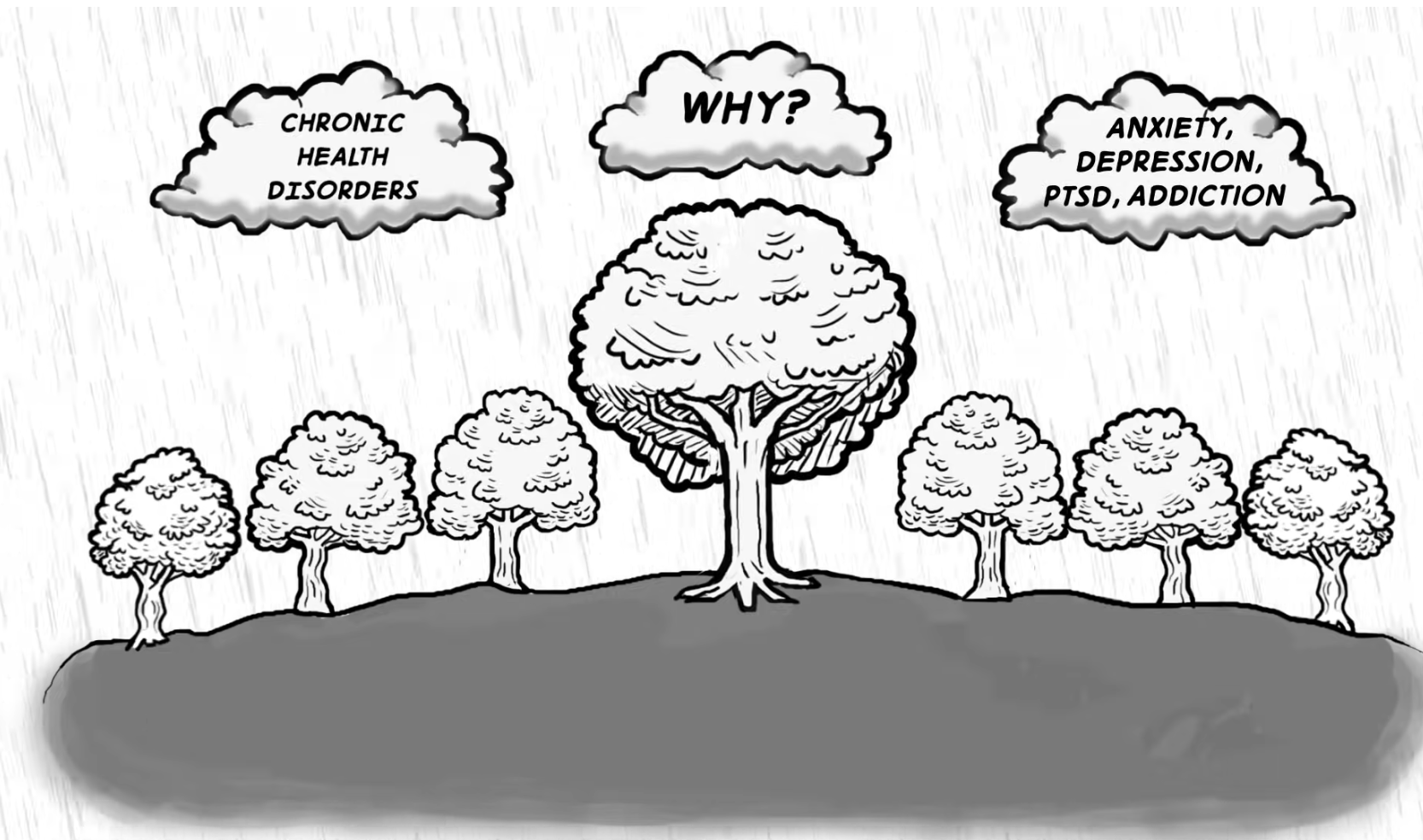
When stress becomes chronic or accumulates in the body without being released, it turns into somatic blockage. In this state, tension settles into the muscles, tissues, and breath, creating symptoms such as persistent fatigue, difficulty concentrating, irritability, physical tightness, and sleeping issues.
I often work with people who do not appear to be “stressed,” yet their nervous system is. They have been stuck in continuously demanding situations without having the time or the safe container to deactivate and rest. Over time, stress keeps accumulating until it becomes chronic and starts manifesting as physical symptoms and health conditions.
The body, in simple terms, can no longer return to a state of calm and safety.
Meet Your A.N.S. (Autonomic Nervous System): Fight, Flight, Freeze, Fawn
The autonomic nervous system is the invisible director of all our responses. It works silently behind the scenes. When it perceives a threat, real or perceived, it activates one of four main survival reactions:
Fight (confront): the body mobilizes energy to face the threat. Muscles tense, the heart rate rises, and strength increases to protect or defend. In daily life, this can show up as anger, irritability, control, defensiveness, or reacting strongly to conflict or pressure.
Flight (run away): the body activates to escape danger. The heart rate increases, breathing becomes faster, and energy moves into the legs. In daily life, this often shows up as restlessness, constant busyness, avoidance, and difficulty slowing down or relaxing.
Freeze (shut down): when the body feels it cannot fight or run, it collapses into stillness. Energy drops, breathing becomes shallow, and sensations can feel numb or distant. In everyday life, this can appear as feeling stuck, overwhelmed, disconnected, or unable to act.
Fawn (please): the body seeks safety through connection and appeasement. The nervous system adapts to others’ needs, avoiding conflict to stay safe. This often shows up as people-pleasing, difficulty setting boundaries, and putting others first while ignoring one’s own needs.
Why These Responses Matter
All these reactions are intelligent survival mechanisms. They once protected us in moments of danger or overwhelm.
The problem arises when the nervous system keeps using these strategies long after the original threat is gone. They then become automatic patterns that shape our relationships, work life, health, and emotional well-being.
Traditional top-down approaches start from the mind. They work through thinking, talking, analyzing, reframing beliefs, and using willpower or conscious understanding to create change. But they speak a different language from our “operation manager”: the nervous system.
This is why a bottom-up approach, which starts from the body and nervous system and works through sensations, breath, movement, awareness, and regulation, allows the body to reorganize itself and self-regulate naturally.
Through somatic awareness, nervous system regulation, and bodywork, we can begin to recognize these responses in our body, gently bring safety back into the system, and allow the body to release what it has been holding onto, such as tension, pain, anger, fear, and sadness, sometimes for years.
This is how we move out of survival mode and back into presence, connection, and choice.
A Simple Practice to Notice Your Nervous System Responses
Our breath, muscles, and posture are key indicators of where we are: in a fight, flight, freeze, or fawn response. The invitation is to take a few moments during the day, as often as you can, and notice your state.
Take a moment to pause and bring your attention to your body.
Sit comfortably or stand, and place one hand on your chest and one on your belly.
As you breathe, simply notice:
Do you feel tension anywhere in your body?
Do you feel restless, heavy, numb, or tight?
Is your breath fast and shallow, or slow and deep?
There is no need to change anything. Just observe with curiosity.
If you notice activation, such as restlessness or tightness, this may be your nervous system in fight or flight.
If you notice heaviness, numbness, or collapse, this may be a freeze response.
If you notice a strong focus on pleasing or adjusting to others, this may be a fawn response.
Spend one to two minutes with this awareness.
Then slowly inhale through your nose for a count of four, feeling the belly and chest gently expand.
Exhale slowly through your mouth for a count of six, allowing the body to soften.
This small practice helps you begin to recognize your body’s signals and creates the first step toward nervous system regulation and embodied presence.
If you feel called to move out of survival patterns and into more presence, ease, and connection, I invite you to explore my services and current offers.
Discover how my online sessions can support you in creating real transformation from the body and nervous system. Visit my website to learn more and see what resonates for you.